


How to Set Up a CO2 System for Your Planted Aquarium in India — Complete Beginner Guide (2026)

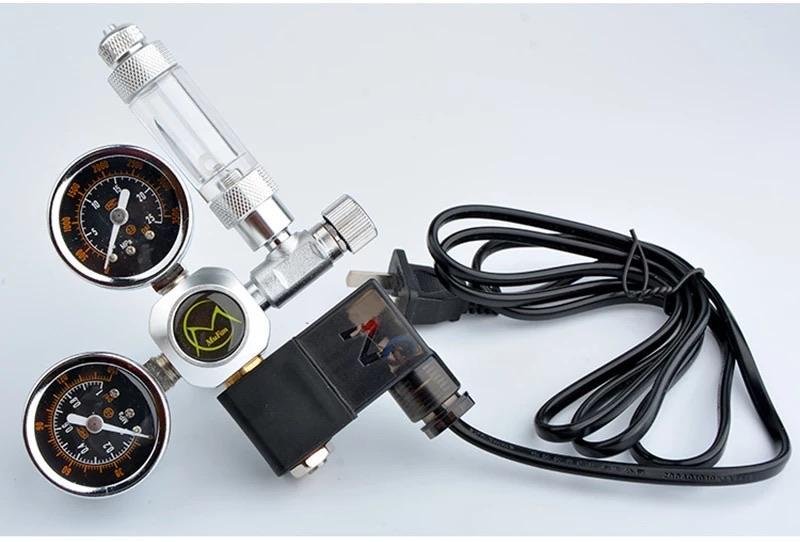
CO2 injection is the single biggest upgrade you can make to a planted aquarium. Plants use carbon dioxide as their primary building block — and in a closed aquarium, CO2 is almost always the limiting factor for plant growth. This guide walks you through exactly how to set up a CO2 system for your planted aquarium in India, from choosing your equipment to dialling in the perfect bubble rate.
Do You Actually Need CO2 for a Planted Aquarium?
If you are growing easy low-light plants like Java Fern, Anubias, or Cryptocorynes, you can have a beautiful planted tank without CO2 injection. But if you want lush carpeting plants, vibrant red stem plants, or competition-level aquascapes — you need CO2. CO2 injection produces three immediate results: faster plant growth, more intense plant colouration, and dramatically reduced algae. When plants have abundant CO2, they out-compete algae for nutrients and light. Most algae problems in planted tanks are ultimately caused by insufficient CO2, not excess light or nutrients as many hobbyists assume.
The 5 Components of a Complete CO2 System
1. CO2 Cylinder
The cylinder stores pressurised CO2 gas. In India, cylinders come from 500ml for nano tanks up to 5kg for large aquariums. Standard Indian cylinders use a G5/8 valve thread — important when buying a regulator. We recommend a 2-litre cylinder for tanks up to 90cm. Cylinders can be refilled at welding supply shops, fire safety suppliers, or dedicated aquarium retailers across India.
2. CO2 Regulator with Solenoid
The regulator controls the pressure of CO2 released from the cylinder. Always choose a regulator with a built-in solenoid valve — this allows you to connect it to a timer so CO2 automatically switches off at night when plants stop photosynthesising, preventing dangerous pH swings. Quality regulators available in India include the Mufan dual-gauge regulator (excellent value) and Fzone regulators (premium build quality with precise needle valve control).
3. CO2 Diffuser
The diffuser breaks CO2 into tiny bubbles for efficient dissolution into the water. Glass diffusers from Aquario Neo are among the finest available — they produce an exceptionally fine mist that dissolves completely before reaching the water surface. Position your diffuser in direct line of flow from your filter outlet to push CO2 mist through the tank for maximum absorption.
4. CO2 Drop Checker
The drop checker hangs inside your aquarium and changes colour based on your CO2 concentration: blue = too little CO2, green = ideal (approximately 30ppm), yellow = too much CO2. Always aim for green. Never allow it to stay yellow with fish in the tank — excessive CO2 depletes oxygen and can be fatal to fish.
5. CO2-Resistant Tubing and Check Valve
Standard silicone airline tubing is not suitable for CO2 systems — CO2 permeates through it causing significant gas loss. Use purpose-made CO2-resistant tubing (harder polyurethane material) to connect your regulator to your diffuser. Add a check valve approximately 10cm from the diffuser to prevent water from siphoning back into the regulator if pressure drops.
Step-by-Step: How to Set Up Your CO2 System
- Fill your CO2 cylinder at a local welding supply shop, fire safety supplier, or aquarium retailer. Always transport cylinders upright.
- Attach the regulator to the cylinder valve. Use PTFE tape on the threads if needed for a gas-tight seal. Do not overtighten.
- Connect CO2-resistant tubing from the regulator output to your diffuser inside the aquarium. Add a check valve approximately 10cm from the diffuser.
- Install the diffuser near the bottom of the tank, in direct line of flow from your filter output. Secure with a suction cup.
- Set up the timer — connect your solenoid to a plug timer. Set CO2 to switch on 1 hour after lights turn on, and off 1 hour before lights switch off.
- Calibrate the bubble rate — open the regulator slowly and adjust the needle valve to approximately 1–2 bubbles per second for tanks up to 90cm. Monitor your drop checker and adjust over several days until you achieve a stable green reading throughout the photoperiod.
Frequently Asked Questions About CO2 for Planted Aquariums in India
Where do I get CO2 cylinders refilled in India?
CO2 refills are widely available at welding supply shops, fire safety equipment suppliers, and industrial gas suppliers across India. Most cities have multiple refill points. Standard aquarium cylinders use the same CO2 grade as welding gas — food-grade CO2 is ideal but not strictly necessary.
Is CO2 injection safe for fish?
Yes — when properly set up with a solenoid timer, CO2 injection is completely safe for fish. Always switch CO2 off at night, use a drop checker to monitor concentration, and ensure good surface agitation for oxygen exchange. Never allow your drop checker to remain yellow.
Can I use DIY CO2 instead of pressurised CO2?
DIY CO2 (yeast and sugar) works for small tanks under 30 litres but is inconsistent, requires frequent maintenance, and cannot be switched off at night with a timer. For any serious planted tank, a pressurised CO2 system is significantly more reliable and economical over time.
Shop CO2 Equipment at Back Water Aquatics — All India Shipping
We stock Mufan and Fzone regulators, Aquario Neo diffusers and drop checkers, CO2 cylinders, CO2-resistant tubing, check valves, and complete CO2 starter kits. Not sure which CO2 setup is right for your tank? WhatsApp our team at +91 92880 03743. Browse our complete CO2 range here →
